From 2,500 to 40,000 Items: How Geoff Thomas Built Two Thriving Pharmacies and Got His Weekends Back
When Geoff took over in 2003, the pharmacy was doing 2,500 items a month. Over two decades, volumes grew tenfold and a second site opened. But the dispensing model hadn't changed. Everything still funnelled through the pharmacist for a final check. "You were the funnel, so everything was coming at you to check. It was hard work, and it was getting harder." Trying to scale that way wasn't just hard. It was unsustainable.
Item Growth
items/month
ACTs
The Challenge
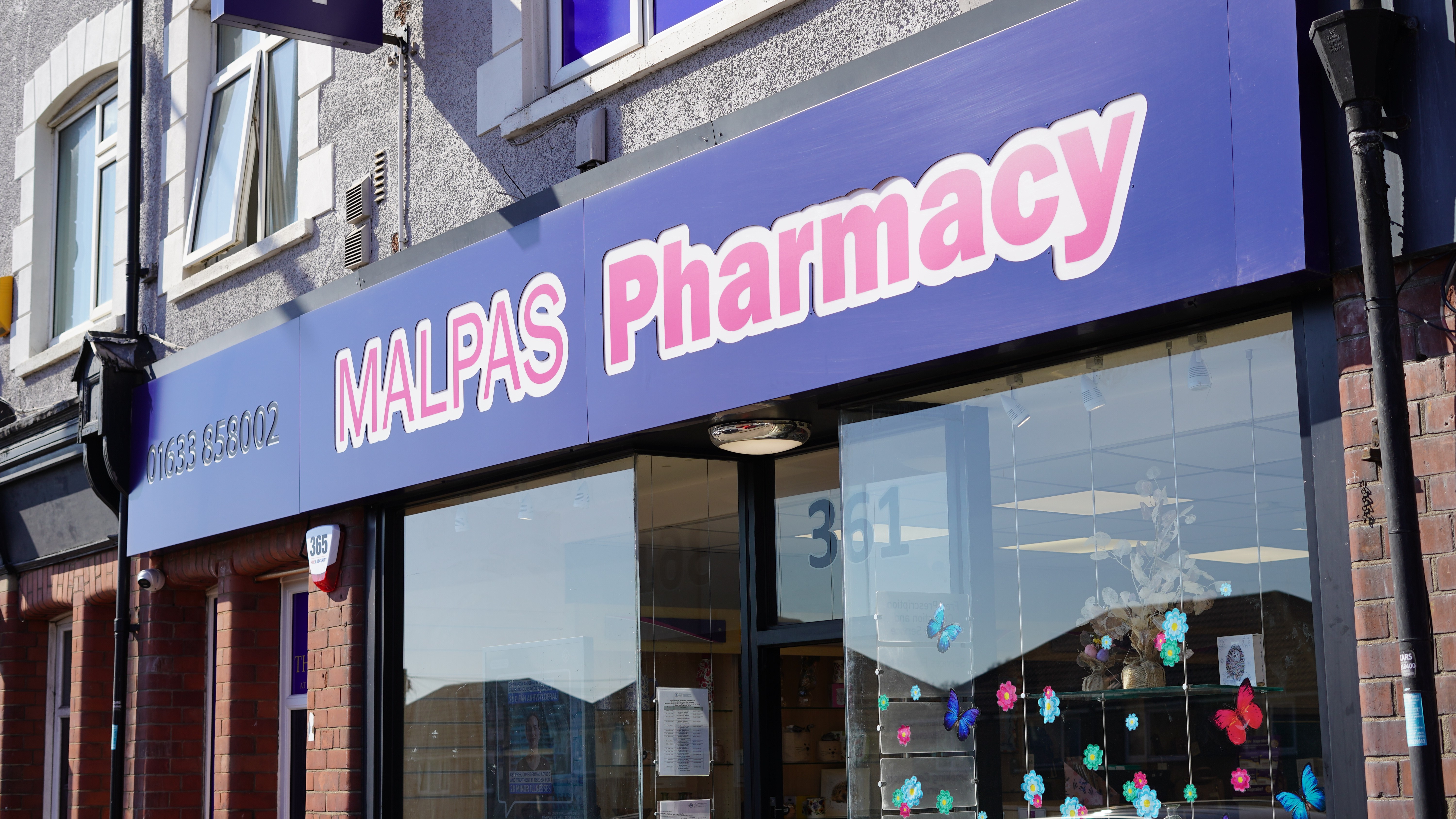
Geoff Thomas has owned Malpas Pharmacy in Newport, South Wales since 2003. In 2019, he opened a second site, Malpas Brook, just 0.6 miles away. Between them, the two pharmacies now handle 40,000 items a month, serve 13 nursing homes, manage over 400 dosette box patients, and employ a team of 40. Geoff doesn't work weekends.
How they did it
How they did it
Products used in this study: Titan PMR | Barcode scanning | Batch Flow
1. A Partnership That Started Before Titan PMR Existed
Geoff was already using Invatech Health, the technology that evolved into Titan, for his nursing home dispensing. When Tariq told him the team was building a full PMR, Geoff signed up early.
"When things are moving so fast in pharmacy, you want to be in partnership with a group that's going to take you into the future, not just help you deal with what you've got."
They trialled Titan at Malpas Brook first, then rolled it out to the main site shortly after. When Titan became the first PMR system approved for EPS use in Wales in 2024, Malpas was among the first to go live.
2. Clinical Checking Up Front, Not at the End
Before Titan, the pharmacist final-checked every prescription after dispensing. With Titan, Geoff checks up front, releases prescriptions, and trusts the scanning to catch errors downstream. That removed the bottleneck.
"You can do your clinical check at the front, release the prescriptions, and because of the scanning, you can trust the process. That funnel effect has been removed."
"I got my weekends back, because I was losing those. So many pharmacists do, having to work on to catch up. I never do that now. But I used to."
3. Batch Flow at 13,000 Items
At Malpas Brook, Batch Flow turned a chaotic dispensary into something trackable. Prescriptions are broken into batches of twelve, each assigned a colour-coded basket. Deliveries go into white. When patients ring up, staff pinpoint the exact basket in seconds.
"Before, patients would come in and you'd be pulling your hair out, wasting staff time, literally hours. Now you can pinpoint it. It's saved a lot of grief."
4. Scanning That Catches What People Miss
Titan's barcode scanning catches wrong picks, wrong patients, and look-alike mix-ups before they reach anyone. As volumes climbed from 2,500 to over 25,000 at the main site alone, the workflow kept up.
"It's easy to miss amlodipine for amitriptyline. You scan them and it will tell you. Dispensing errors are greatly reduced. It's a fraction of what it was."
"The staff feel more engaged, more involved, more trusted, even though it is with a very good system underpinning what they do."
5. Time Back for Services, Not Just Dispensing
With the pharmacist no longer tied to the final check, Geoff invested in clinical services. Six ACTs work across both sites, with clinics expanding into flu, smoking cessation and contraception, while freeing up IPs for prescribing. Three consultation rooms are in use, with plans to add two more at Malpas.
"You want your IP released so they can go into the consultation room and actually be helping people. But you can't do that if you're tied to a final-check process. You just can't."
"The current landscape with the funding, you've got to be doing services. And Titan lets us free our pharmacists up far, far easier now."
The Results
40,000 items handled each month across two pharmacies
Grown from 2,500 items and 6 staff to a 40-strong team
13 nursing and residential homes served
6 ACTs across two sites
3 consultation rooms, with plans to add 2 more at Malpas
Dispensing errors down to a fraction of previous levels
Geoff doesn't work weekends or stay late
"If you said to me when I took over in 2003, how would you cope with 25,000 items? I'd worry about it. But it's been almost like a seamless growth. The system is built to cope with it."
The Takeaway
A 40-strong team, 40,000 items, two pharmacies, and a growing list of clinical services. Geoff doesn't work weekends.
"Don't just look at it, get on board. Because otherwise that ship will sail. You'll be left behind. And no one wants to be left behind."
What's Next
Geoff is expanding the Malpas Brook building to create a bigger dispensing facility as demand grows. At Malpas, he is looking to add two more consultation rooms, taking the total to five. The longer-term plan is to get Titanverse properly up and running across both pharmacies.
"Our plan is to get Titanverse really rocking and rolling in both pharmacies."
Book a demo today → join-us