Why Aren't More Pharmacists in Local Sport?
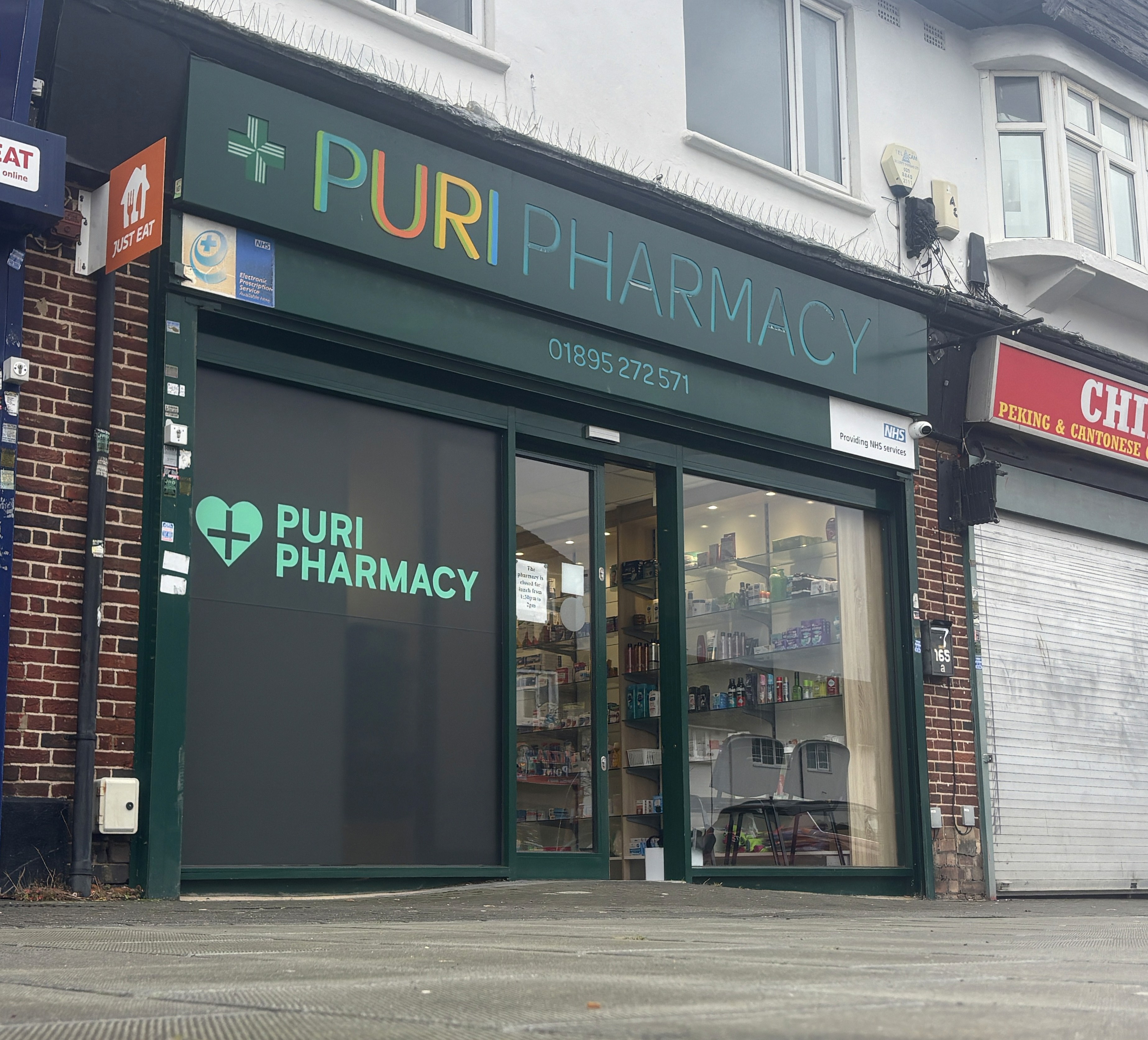
Rahul Puri is the superintendent pharmacist at Puri Pharmacy in Southall and Hillingdon, and for four years he has been Southall FC's sports pharmacist. Players come to him with knocks, the club calls him when it needs a specialist, and on Thursday 22 October, at Rectory Park, home of Middlesex FA, he brought heart screening to about forty players and staff. In the professional game, that kind of care is routine. At Southall's level, it isn't. Rahul's question is why more pharmacists aren't doing this.

years as Southall FC's sports pharmacist
of ECGs reviewed by a consultant cardiologist
hours a week freed for a pharmacist
The Challenge
From step three of the football pyramid down to step six, cardiovascular screening isn't mandated. At the elite level, it happens every year. Southall FC play at step four, where the players are part-time, with full-time jobs. The figures Faye Singleton of CardioLogic quotes from Cardiac Risk in the Young show what's at stake: 12 young people a week in the UK, aged 14 to 35, die from sudden cardiac death, and 80% of them have no warning or symptoms first. Southall FC has seen it happen. A few years ago, one of its players, with no history of heart problems, collapsed on the pitch during a pre-season match.
How they did it
Products used in this study





Four years at Southall FC
About four or five years ago, Rahul approached Southall FC and asked how he could become a sponsor. Medical kit costs a club at this level a lot of money, and Rahul supplies it. For co-owner Bobby Sharma, the difference is that "it's one phone call".
Since then Rahul has become the club's sports pharmacist. Max, the manager, has put Rahul's number in the players' group chat. Players with knocks or niggles pop in to see him, and the club gets referrals. When a player suffered a severe concussion, the club went to Rahul, who used his contacts to reach consultants and other organisations to help with the player's recovery. "Rahul's been top man," says Max.
Bill Montague came through Oxford United's academy before moving into non-league. He says the support there was really strong, and non-league is completely different.
"I've played for other clubs in non-league… you obviously have, like, your physios and stuff, but I've never known a club that has a relationship with someone like Rahul."
Why a pharmacy fits a football club
Rahul sees the two as alike. Both have an open door, where anyone can come and talk to somebody, and both sit at the centre of their town.
"Football clubs are at the heartbeat of their own community. Community pharmacies are at the heartbeat, again, of their own community."
Most of the skills are already in the pharmacy. Pharmacies check blood pressure and take bloods, so for Rahul, screening is one more part of the long-term preventative care they already give. Even the 12-lead ECG was simpler than he expected. He'd pictured loads of cables and wires, but within a couple of attempts he felt confident fitting it.
The first screening night
In the professional game, players are checked every year. At Southall's level, Rahul says, there's no money behind it. Rahul brought it together and led the room. CardioLogic Ltd provided the 12-lead ECG and the consultant review, Lenira Health ran the blood testing, and Middlesex FA partnered with the club and Puri on the night.
About forty players and staff screened at the ground where they train: blood pressure, a 12-lead ECG and finger-prick blood tests.
Every ECG reviewed by a consultant cardiologist, with each player's report back within 10 days.
Rahul is straight about what screening can and can't do.
"I would be lying if I said that doing a screening initiative today is going to rule out 100% of cases of a cardiac condition. It's not… It's really about doing a check on an individual."
If something is found, the next step is a consultant cardiologist. If nothing is, players still need to know the risk is there. Next, he wants a pathway that brings players into the pharmacy for screening, blood tests and a formal consultation. And he wants it to happen every year.
Bobby knows the risk himself. In 2017, aged 47, he joined in a training session, went cold on a hot day with pain in his shoulders, and found out at hospital that he was having a heart attack. He had a stent fitted the next day.
"If there's an initiative such as this… an open door for… not just players, but anyone in general to get themselves an ECG… I think it just makes it so much… easier for things to be prevented… in the future."
Why aren't more pharmacists doing this?
Rahul doesn't think many pharmacists in the UK work in football. Bobby, who co-owns the club, says he's surprised more clubs don't work with pharmacists.
Rahul thinks the pharmacists are out there already.
"I know of a lot of pharmacists that… play sports to a high level, and perhaps this may allow them to marry their love of their profession in pharmacy…"
It doesn't have to be football, either. He names badminton, squash, padel and rugby.
Who pays for it?
It doesn't run on goodwill alone. The screening night wasn't NHS-funded: local businesses paid for it, and Rahul says it's not expensive. His own role at the club began the same way, as a sponsor supplying its medical kit. And the screening is built to lead somewhere: a pathway into the pharmacy for follow-up screening, blood tests and consultations.
What makes it possible
None of this happens if the owner can't leave the building. Earlier this year, Rahul said Titan had freed "at least 20 hours a week for a pharmacist" in his pharmacy (read that story). Rectory Park shows what that time is for. Without a system that lets his team work outside the pharmacy without a backlog building up, he says he couldn't be at a club on a working day.
"It's allowed me, as… an owner, as a pharmacist, and a superintendent, to be able to leave the pharmacy and be confident that… the team have a great system behind them."
On the night, Titanverse was there too: each player's blood pressure recorded, and their ECG uploaded, so follow-ups can be booked and, if something is found, the player or their GP contacted from one record. It's the setup described in Puri's Titanverse case study, and the direction Rahul set there: "We're changing our business model from being just a dispensary to a community health hub."
The Takeaway
Rahul didn't wait for a club to come to him. Four years ago he asked Southall FC how he could help. Now the manager has put his number in the players' group chat, and about forty players and staff have had their hearts checked. Most of the skills were already in the pharmacy. What it took was the time to leave the building.
He'd like more pharmacists to do the same.
Want time to get out of the pharmacy? Titan freed at least 20 hours a week for a pharmacist at Puri Pharmacy. Book a demo →